Accounts and permissions
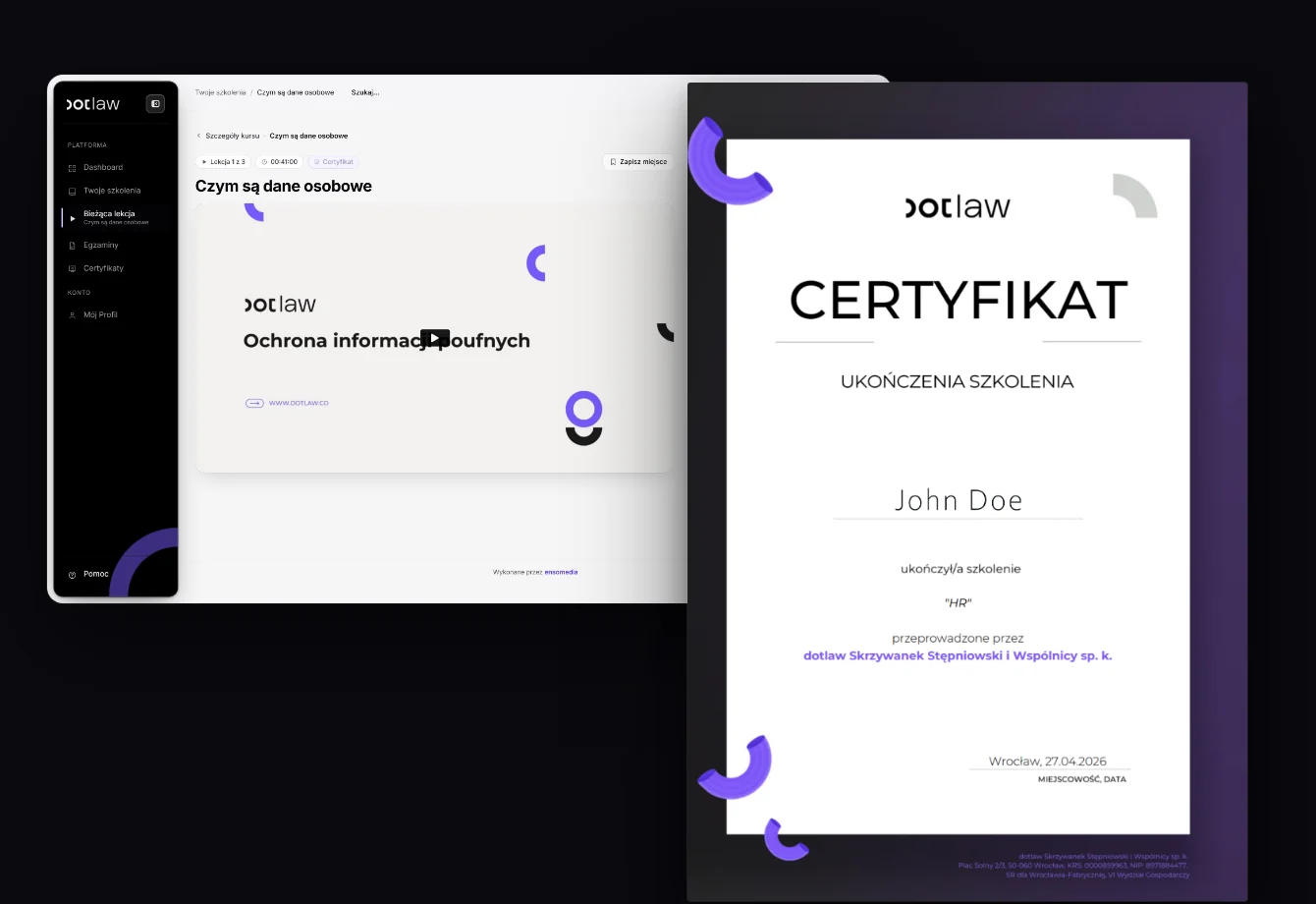
- Participant, manager and administrator roles
- Several companies in one system, with their data kept apart
- Event log and audit trail
- Bulk onboarding and invitations
Accounts and roles, operational panels, reporting, and integrations with the tools a team already works in. Deployment and what happens after it are part of the project from the start. An application takes seven days to six months, and where yours lands in that range depends on how many roles and systems it involves.
Four things come back in every project of this class, whatever the industry.
Five stages, the same ones every project here goes through. Each ends with something you are handed.
I write down the process, the data and the roles before choosing any technology, and you get a scope and a date out of it.
The key screens and the data model are decided together, so the interface never promises something the model underneath cannot carry.
A first working version goes onto an environment you can click through, before the rest of the modules exist.
Launch on the target domain, with the data migrated, monitoring switched on and the admin panel handed to your team.
After release I monitor the system, fix what breaks and add the next modules.
How long it takes
A web application takes seven days to six months, because the two ends of that range are different jobs: a dashboard showing one team the numbers it already has sits at the short end, and a platform with roles, payments, exams and certificates sits at the long one. What sets the date is the number of roles, the number of integrations and how much data has to come off the old system. A first working version is often ready earlier, and further modules arrive in stages.
When it is not worth building
If the process fits in a spreadsheet and an off-the-shelf SaaS, and the only reason to build is wanting something of your own, I say so. Sometimes the cheaper answer is an integration between two tools you already pay for, and then I propose that.
Four projects that run every day. Each write-up shows what was built and how it works.
Application quote
Say what the application should do and who will use it. Within one working day I reply with a price and time range, or with the questions that have to be answered first.